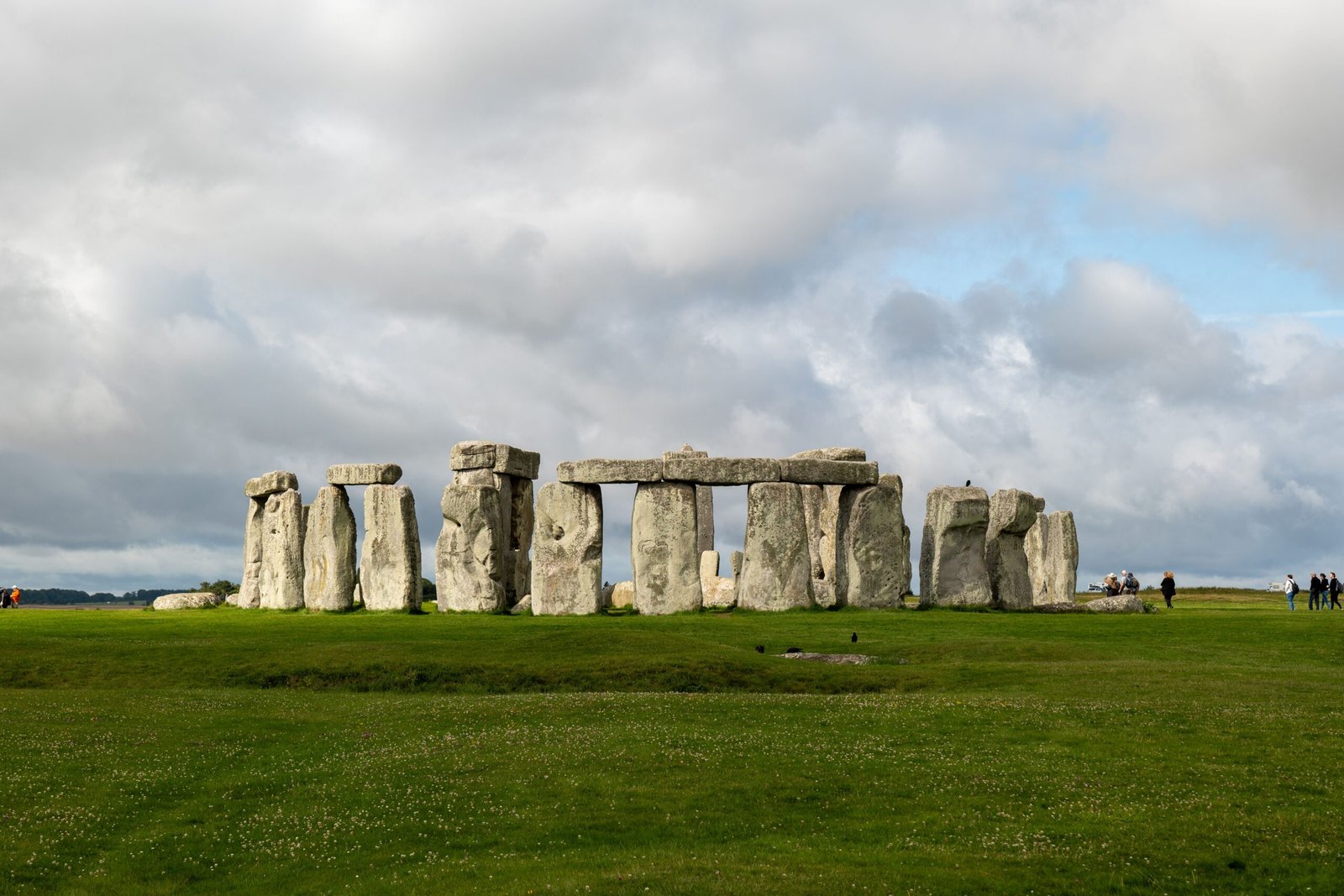
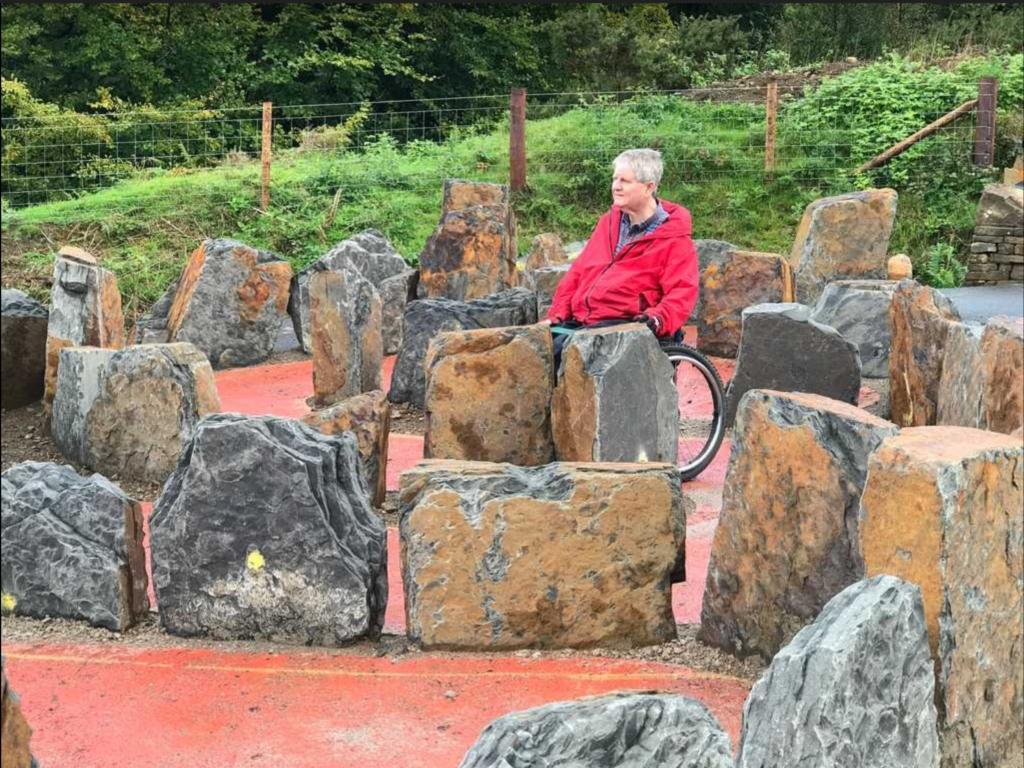
As autumn’s chill nips, I find myself drawn to stories, especially those surrounding the ancient monuments and stones that pepper our British landscapes. September also carries a certain poignancy that prompts personal reflection. This time around my dad, Phil (1953–2023), the inspiration for Inclusive Heritage, would have turned 73. He was fascinated by stone circles (below on the left).
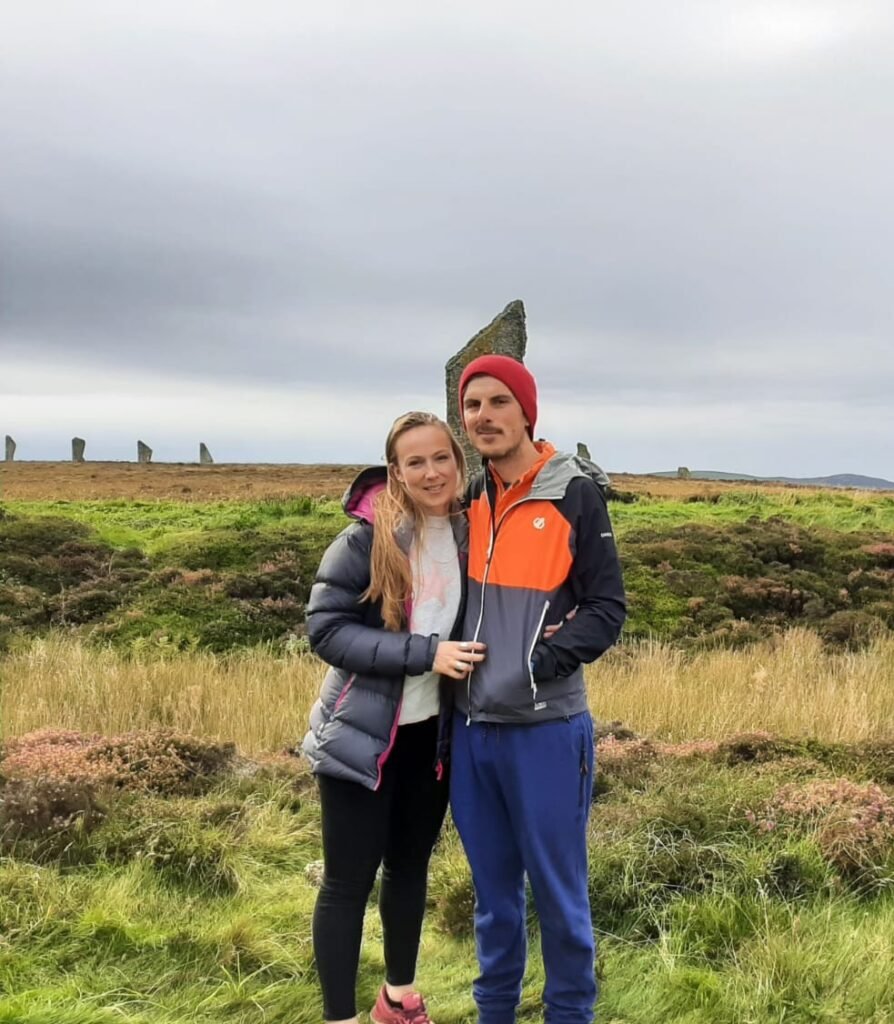
When we visited the Ring of Brodgar in Orkney in September 2022, my dad was in hospital and sent me a message, asking us to visit on his behalf in case he didn’t get the chance himself. In hindsight, it was an oddly prescient request.
Stone circles carry that kind of uncanny resonance. They are, after all, monuments built to outlast individual lives — witnesses to the passing of centuries and rituals. My dad delighted in their mystery, not because he sought definitive answers but because he valued their multiplicity of meaning. Were they astronomical observatories, communal ritual sites, or the petrified remnants of folklore tales? The truth is that they are all these things at once, depending on your vantage point.
A recent paper by Rodgers (2024), Monstrous Megaliths, Spooky Stones: Folklore, Monuments and the Gothic Imagination, explores precisely this layering of meanings. Folklore, Rodgers shows, has long animated these sites: stones that walk at midnight, circles formed from dancing maidens frozen in punishment, giants hurling boulders across moorland. Such stories are not quaint embellishments but part of how communities across generations have interpreted and lived with these enduring presences. They keep the stones alive, binding human lives to mute geology through narrative.
When I think of my late dad, this feels fitting. His own career in heritage and accessibility was about opening up old places for new encounters making sure pathways were clear, interpretation inclusive, and the past accessible to all. He would have appreciated the argument that folklore itself is a form of access: a way of narrating significance that makes sense of otherwise inexplicable monuments.
Of course, not all these stories are benign. The folkloric imagination surrounding stone circles often shades into the gothic, tinged with fear and transgression. Witches in particular haunt these landscapes — women accused of gathering in the liminal spaces of moorland rings, figures made monstrous through stories that justified persecution. It is striking how the same circles that inspired awe could also be reimagined as sites of suspicion. This oscillation between reverence and dread says much about how societies project their anxieties and values onto the past.
As I listen to India Rakusen’s BBC podcast series, Witch, on the cultural legacy of the witch trials, I can’t help but see continuity here. Folklore has power: it can enchant, but it can also stigmatise. Who is permitted to enter the circle, and who is cast out, is not just a matter of myth but of social justice. Perhaps that is why these monuments matter so deeply. They are reminders that stories outlast us, their interpretation is always debated, and that meaning is made in community.
So today, as I think of him at 73, I reflect on the lesser-known circles and landmarks I have yet to visit like the Pennine cairns and Cumbrian settings, Long Meg and her Daughters in the Eden Valley, and the Nine Ladies at Matlock. All are ancient configurations where stones, stories, and human presence intertwine. In their company, absence feels less final. Circles, after all, always come back around.
Reference
Rodgers, D.A. (2024) ‘Monstrous megaliths: spooky stones of folk horror’, Contemporary Legend, 2, pp. 1–7. Available at: https://scholarworks.iu.edu/journals/index.php/cl/article/view/38413 (Accessed: 30 August 2026).


Leave a Reply