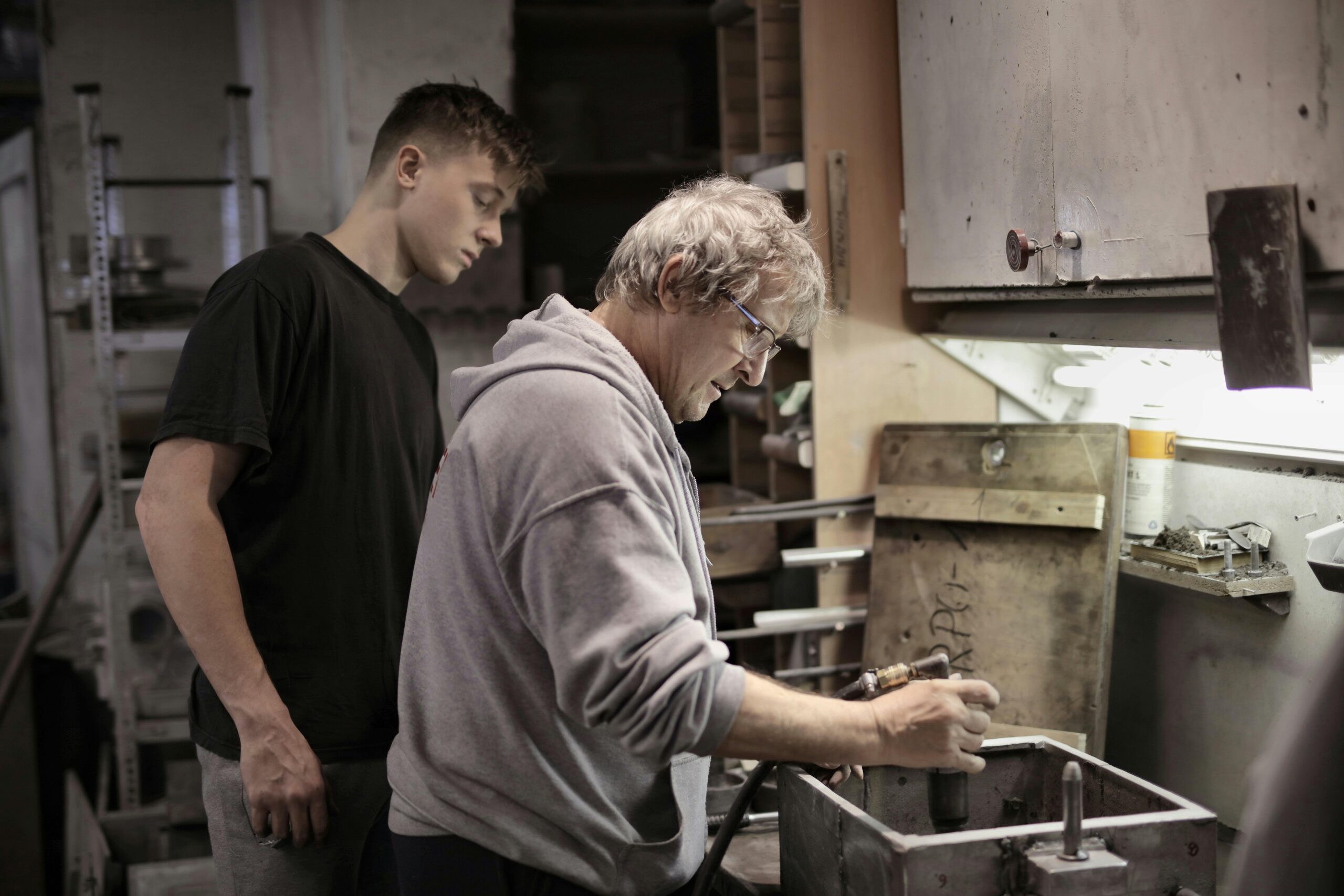
When people hear “heritage apprenticeship,” they tend to picture stonemasonry, carpentry, or conservation—vital yet endangered skills, but only a fraction of what the sector truly relies on.
Another common misconception is that apprenticeships belong mainly to the big legacy brands like English Heritage or the National Trust. In reality, any organisation, no matter how small, can take them on, with levy funding and support readily available. Many of the most relevant apprenticeships don’t even carry “heritage” in the title.
As I mentioned in a recent presentation to Historic England’s Accessibility Roundtable, the real opportunity lies in thinking laterally: drawing on a far wider range of apprenticeship standards to strengthen digital, business, marketing, and engagement roles that are every bit as critical as traditional craft skills.
I speak from experience. For over a decade I’ve designed, delivered, and quality-assured apprenticeship programmes, and assessed thousands of end-point assessments across many of the 600+ available standards, including those on this list. First-hand, I’ve seen how transformative apprenticeships become when organisations use them strategically and at every level.
From digital storytelling to fundraising and leadership, apprenticeships now cover the full spectrum of skills heritage organisations need to thrive. Here are ten that every museum, archive, and historic trust should consider to future-proof their workforce:
1. Multichannel Marketer (Level 3)
Formerly called ‘Digital Marketer’ (a far clearer title for non-marketing leaders but hey ho!) this apprenticeship is one every museum or archive should know. Apprentices gain skills in campaign planning, SEO, analytics, and content creation: all essential for reaching audiences online, boosting visitors, and driving engagement.
2. Customer Service Specialist (Level 3)
Front-of-house staff shape the visitor experience. This apprenticeship develops communication, problem-solving, and service skills to ensure excellent public-facing delivery.
3. Cultural Learning and Participation Officer (Level 3)
Formerly dubbed “Community Engagement Officer,” this apprenticeship is about planning and delivering creative workshops, events, and learning programmes for diverse audiences like schools, vulnerable adults, and local communities. It blends community engagement with arts-driven outreach, which is perfect for heritage learning teams.
4. Events Assistant (Level 3)
From festivals to fundraising galas, events are central to heritage visibility and income. This apprenticeship builds practical planning and delivery skills.
5. Associate Project Manager (Level 4)
Heritage organisations manage complex projects: restorations, exhibitions, digital initiatives. Project management apprenticeships ensure they’re delivered on time and on budget.
6. Data Technician (Level 3)
Collections catalogues, visitor surveys, ticketing systems — data drives it all. Apprentices can learn to manage and analyse information to develop better decision-making and planning.
7. Fundraiser (Level 3)
A relatively new standard, and one perfectly aligned with heritage needs. Apprentices gain donor engagement and campaign planning skills to support long-term financial sustainability.
8. Content Creator (Level 3)
Tomorrow’s heritage stories won’t reach the next generation through leaflets and plaques alone — everyone wants reels, podcasts, and videos. They’re more easily accessible formats for a wider range of visitors, and this apprenticeship trains organisations to create them well.
9. Business Administrator (Level 3)
Not glamorous, but vital. Admin apprentices support HR, finance, and operations — strengthening the organisational backbone.
10. Team Leader / Supervisor (Level 3)
Developing future managers is essential. This apprenticeship supports progression, succession planning, and leadership development from within.
Bonus Mention: Corporate Responsibility and Sustainability Practitioner (Levels 4)
For heritage organisations with a sustainability mindset, this is an overlooked but highly relevant apprenticeship. It develops practitioners who can embed sustainability, ethical governance, and social impact into strategy, upholding the stewardship values at the heart of heritage.
As the National Lottery Heritage Fund has noted in its Seven Ideas for a More Resilient Heritage Sector, organisational sustainability increasingly depends on demonstrating environmental responsibility, community benefit, and ethical practice. This apprenticeship equips apprentices to lead on exactly those agendas, and ensure heritage isn’t only preserved but actively contributes to a sustainable future.
In practice, that could mean:
- Sustainable site management – apprentices leading projects to reduce the carbon footprint of historic buildings, such as piloting green energy solutions, improving insulation, or developing low-impact visitor transport strategies that respect conservation needs.
- Ethical volunteering and workforce practices – designing inclusive volunteer programmes, fair recruitment policies, and codes of conduct that embed equity and accountability into everyday operations.
- Measuring and reporting social value – building systems to capture and evidence community benefit, from well-being outcomes and diverse participation to local economic impact, strengthening both funding bids and stakeholder accountability.
Get Craftier With Skills Development
Apprenticeships are inclusive and funded, with no age limit in England, Scotland, or Wales, and reasonable adjustments always available on request. They bring in younger and more diverse talent while also providing routes for experienced career-changers. They should be seen as a long-term investment in skills and organisational resilience — not a quick fix for staffing gaps. (And trust me, an employer’s attitude always shows during assessment.)
What about your experiences?
- Have you used apprenticeships beyond the traditional craft standards? Which ones have worked best for your organisation?
- What barriers have you faced in setting them up?
Please share your thoughts in the comments, or get in touch directly if you’d like to contribute a perspective or case study…
Leave a Reply