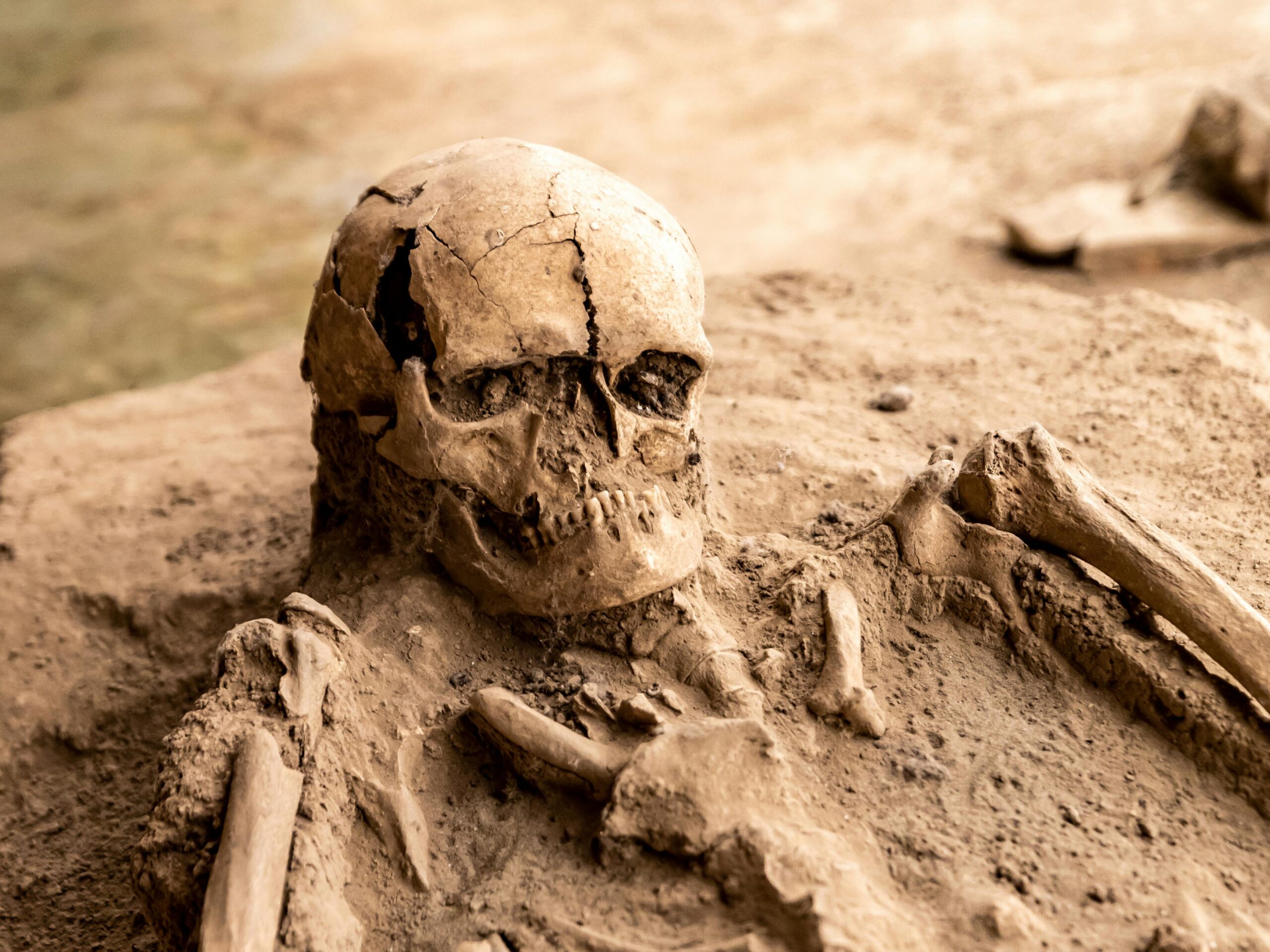
An interview with Dr. Derwin Gregory, Programme Leader, Level 7 (Masters) Archaeological Specialist Apprenticeship, Bishop Grosseteste University in Lincolnshire, England.
In heritage, preserving the past depends on preparing for the future. That’s the challenge Dr. Derwin Gregory has taken on as Programme Leader for the Level 7 Archaeological Specialist Apprenticeship at Bishop Grosseteste University (BGU). In a sector often viewed as traditional and academic, Gregory’s work reflects a quiet revolution: one that could not only equip archaeologists with the hands-on skills they need but open the field to a wider, more diverse range of people.
As with any revolution, however, progress is gradual and often unpredictable. As we spoke, Gregory shared both the opportunities and obstacles shaping archaeology apprenticeships, and why the sector needs to think differently about its talent pipeline if it’s going to survive and thrive.
Future-Proofing Practical Skills
“The traditional route into archaeology has always been academic,” Gregory explains. “But employers keep telling us they need more than graduates who know theory. They need professionals with practical, project-based experience.”
That’s where BGU’s Level 7 Archaeological Specialist Apprenticeship comes in. Developed in partnership with regional employers – Allen Archaeology, Lincs Archaeology, and Heritage Lincolnshire, among others – the programme offers a unique learning journey.
Apprentices spend 24 to 30 months building real-world competencies in excavation techniques, project management, and digital technologies like GIS, photogrammetry, and remote sensing. There’s a six-week excavation placement. Every module ends with a project report and a viva, preparing learners for the substantial research project and professional discussion at their final assessment.
This is what sets the BGU apprenticeship apart. It isn’t simply a technical top-up; it’s a structured, career-focused programme. Graduates often go on to become Archaeological Specialists, Project Managers, or Heritage Consultants. Many seek chartered status through the Chartered Institute for Archaeologists (CIfA).
Yet Gregory knows that while the structure works, the system it operates in doesn’t always make the growth of new apprenticeships easy.
Slow Uptake, But Growing Interest
Since its launch in September 2024, the programme’s uptake has been slow. Not for lack of interest – applications come from a surprisingly diverse mix of people. Some are archaeology graduates, frustrated that their degrees didn’t offer enough practical skills. Others are career changers, passionate about history and keen to turn their enthusiasm into professional expertise. What unites them is a desire for hands-on, immersive training.
But there’s a bottleneck: employer engagement. “Senior management can be hard to convince,” Gregory admits. “They see the paperwork, the funding uncertainty, and they hesitate.”
This challenge is familiar across the apprenticeship landscape. Experts in the apprenticeship sector have long highlighted employer hesitancy as one of the biggest barriers to apprenticeship growth in the UK. It’s a concern I also raised during a presentation on inclusive apprenticeships I gave at a recent Historic England’s roundtable – particularly for heritage and the wider creative sectors. While committed to improving diversity and inclusivity in theory, employers often lack practical support in embedding those principles into their workforce development strategies.
Apprenticeships for Strategic Innovation
The heritage sector has long struggled with diversity, both in terms of who works in the field and who engages with it. Yet apprenticeships could play a powerful role in changing that, if they are designed with inclusion front and centre.
In my presentation at a recent Historic England roundtable, I shared examples from sectors that are further along this journey – particularly construction and digital industries. There, apprenticeships are already proving effective at diversifying the workforce, attracting people with disabilities, older career changers, and those from underrepresented backgrounds. The same potential exists in heritage, and BGU’s programme shows promising signs of that shift.
Blended learning, block teaching, and flexible self-study are all tools that make BGU’s archaeology apprenticeship more accessible. For career changers, older workers, and people with disabilities, that flexibility isn’t just convenient – it’s mission critical.
I also pointed out at the roundtable that heritage employers, especially those in public bodies, are increasingly required to demonstrate compliance with accessibility standards like the Public Sector Bodies Accessibility Regulations (PSBAR). Apprenticeships could be an ideal way to build in-house capacity for digital inclusion, particularly through roles like Digital Accessibility Specialists – roles that bridge the gap between heritage conservation and digital transformation.
Apprenticeships as ‘Upskilling’ Tools
One of the most promising aspects of BGU’s apprenticeship is its appeal beyond the stereotypical apprentice profile. Gregory describes applications from people in their thirties, forties, and fifties – some returning to work, others pivoting to a new career altogether.
In my own research as a gerontologist in ageing policy and lifelong learning, I’ve seen how apprenticeships that are designed flexibly can help to address the needs of an ageing workforce, providing structured learning without the rigidities of a traditional degree. For the heritage sector, experienced learners bring valuable transferable skills and fresh perspectives – whether in project management, community engagement, or technical expertise.
During Historic England’s roundtable, we also discussed how lifelong learning in heritage isn’t just about upskilling individuals; it’s about creating more sustainable, resilient organisations. By broadening their approach and opening their minds as to who apprenticeships are for, heritage bodies can future-proof their talent pipelines and better reflect the diverse communities they serve.
Proving Social Value Matters
As with many Level 7 apprenticeships, funding remains a precarious issue. Gregory notes that the programme currently benefits from the apprenticeship levy, with up to £18,000 per apprentice. But any changes to funding – particularly for advanced programmes – could jeopardise its future.
It’s a risk I flagged in my Historic England talk, as well as in conversations with the Apprenticeship Diversity Champions Network (ADCN). Increasingly, advanced apprenticeships, which refers to those at level 6 (bachelors) or level 7 (masters), need to demonstrate value for money – not just in terms of skills development but also in delivering wider social impact.
Tracking diversity, retention, and career progression data could help build that case. Showing how apprenticeships support broader policy objectives – like widening participation, improving accessibility, and promoting social mobility – may prove key to sustaining funding and sector buy-in.
Archeology Apprenticeships for the Future
BGU’s Level 7 programme is already laying the groundwork for a more inclusive, practical, and future-focused approach to heritage skills. But as I argued in my presentation, we need to think even more laterally.
Heritage sector apprenticeships shouldn’t just be about traditional conservation and archaeology roles. There’s scope to develop apprenticeships in areas like sustainable heritage management, international consultancy, digital engagement, and community archaeology that responds to contemporary social issues. Cross-sector collaboration – with the health sector, tourism, and digital industries – could create new apprenticeship standards that reflect the evolving role of heritage in society.
A Blueprint for Inclusive Apprenticeships?
As Gregory reflects on the programme’s journey so far, he’s optimistic. “We’ve built something that works,” he says. “Now we need to make sure it lasts.”
And as I argued during the roundtable, making it last means making it work for everyone. Inclusive apprenticeships aren’t just an ethical imperative; they’re a practical strategy for ensuring the long-term resilience of the heritage sector.
The future of archaeology and heritage lies not just in preserving the past, but in building a workforce that reflects the diversity of the world today – and tomorrow.
🔗 Explore the Level 7 Archaeological Specialist Apprenticeship at Bishop Grosseteste University here.
Leave a Reply